
Soaring Through the Skies: A Refined Guide to Flights and Tickets in the Modern Travel Era

Introduction: The Evolution of Air Travel
In a world that’s increasingly interconnected, flights have become more than just a means of transportation—they’re a cornerstone of modern mobility, business, and leisure. Whether it’s a spontaneous weekend getaway or a meticulously planned international journey, understanding the intricacies of booking flights and managing airline tickets can significantly enhance your travel experience. This article delves into the elegant dance between convenience, cost, and comfort that defines the modern air travel industry, offering insights for both novice travelers and seasoned globetrotters.
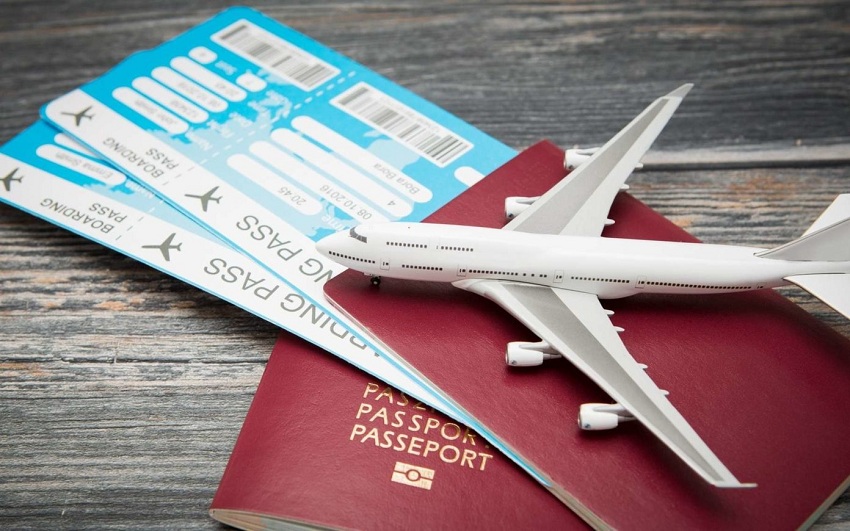
The Anatomy of a Flight Ticket
To the untrained eye, a flight ticket might seem like a simple document. In truth, it is a compact contract laden with essential information.
Key Elements of a Flight Ticket:
-
Passenger Information: Full name, passport number (for international flights), and date of birth.
-
Flight Details: Airline name, flight number, date and time of departure and arrival, and duration.
-
Fare Class: Economy, Premium Economy, Business, or First Class—each representing a different level of service and flexibility.
-
Ticket Type: Refundable, non-refundable, or partially refundable.
-
Baggage Allowance: Specifies how much checked and carry-on luggage is permitted.
-
Terms and Conditions: Rules regarding cancellations, changes, and no-show policies.
A ticket is not just a receipt; it represents a unique agreement between the passenger and the carrier, complete with its own conditions and entitlements.
Booking Flights: Art Meets Strategy
In today’s digital age, booking a flight is a task that can be executed with a few clicks. However, doing it well—with cost-efficiency, comfort, and timing in mind—requires a strategic approach.
Best Practices for Booking Flights:
-
Book Early, but Not Too Early
While last-minute deals do exist, the sweet spot for purchasing most tickets is typically 6 to 8 weeks in advance for domestic flights, and about 2 to 5 months ahead for international routes. -
Use Fare Comparison Tools
Platforms such as Google Flights, Skyscanner, and Kayak allow travelers to compare prices across multiple airlines and booking websites, often revealing hidden deals or flexible date options. -
Be Flexible With Dates and Airports
Traveling mid-week or flying into alternate airports can often save hundreds of dollars. Similarly, red-eye or early-morning flights tend to be cheaper and less crowded. -
Set Fare Alerts
Technology enables travelers to monitor fare fluctuations and strike when the price dips, a tactic particularly useful for peak-season travel.
Direct vs. Connecting Flights: Weighing the Trade-offs
While direct flights are undeniably convenient, connecting flights can offer substantial savings and, in some cases, an opportunity to explore an additional city.
Direct Flights Pros:
-
Less travel time
-
Lower risk of missing connections
-
Reduced baggage mishandling
Connecting Flights Pros:
-
Often cheaper
-
More flight time flexibility
-
Wider selection of airlines
Deciding between the two often comes down to personal priorities—cost, comfort, or schedule.
Ticket Classes: Understanding What You’re Paying For
Not all seats are created equal. Understanding the nuances between fare classes can drastically impact your in-flight experience.
-
Economy Class: Budget-friendly, but with limited legroom and basic service. Ideal for short-haul flights or budget-conscious travelers.
-
Premium Economy: A step up in space and service, offering better legroom, priority boarding, and enhanced meal options.
-
Business Class: Designed for productivity and comfort, with lie-flat seats, gourmet meals, lounge access, and flexible ticketing options.
-
First Class: The pinnacle of luxury, offering private suites, fine dining, personalized service, and top-tier amenities.
Choosing the right class isn’t just about price—it’s about matching the flight experience with your travel goals.
The Hidden Costs: What to Watch Out For
Modern airlines often unbundle services to offer lower base fares. However, travelers should beware of add-ons that can inflate the final ticket price.
Common Hidden Fees:
-
Seat selection charges
-
Baggage fees (especially for budget airlines)
-
In-flight meals and entertainment
-
Booking fees or credit card surcharges
Reading the fine print and reviewing the total cost during checkout can prevent unpleasant surprises at the airport.
E-Tickets and Mobile Boarding Passes: Travel’s Paperless Future
Gone are the days of printed boarding passes and paper tickets. Today, e-tickets dominate the landscape, with mobile boarding passes becoming the norm. These digital alternatives offer convenience, reduce environmental impact, and streamline the check-in process.
Tips for Digital Travel:
-
Download the airline’s app for real-time updates.
-
Take a screenshot of your boarding pass in case of connectivity issues.
-
Always keep a photo ID handy, especially for domestic flights.
Frequent Flyer Programs: The Long Game of Travel Rewards
For those who travel frequently, loyalty pays off. Frequent flyer programs reward repeat customers with points or miles that can be redeemed for free flights, upgrades, and exclusive perks.
Key Advantages:
-
Priority boarding and check-in
-
Access to airport lounges
-
Complimentary upgrades
-
Waived fees and bonus miles
Enroll early, stick with a preferred airline alliance, and use affiliated credit cards to accelerate point accumulation.
Conclusion: Elevating the Travel Experience
Flying is more than a transaction—it’s an experience shaped by decisions made well before takeoff. Understanding how flight tickets work, how to book them wisely, and how to avoid pitfalls can dramatically improve not just your wallet but your overall journey. Whether you’re traveling for business, family, or sheer wanderlust, a well-informed approach to flights and ticketing transforms the act of flying from a chore into an art.

Comments are closed.