
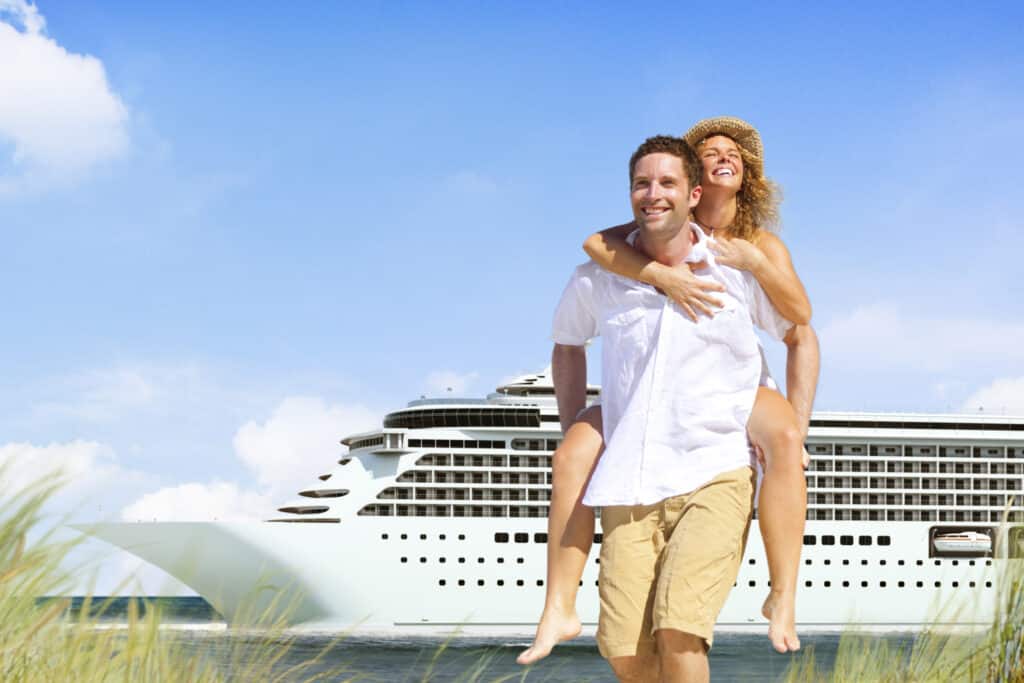

Planning a vacation often involves a long list of logistical challenges, from booking flights and reserving hotel rooms to coordinating daily meals and finding entertainment. For travelers looking to streamline this process, cruise vacations offer an alluring alternative. The concept of a floating resort that carries passengers from one exotic location to another while providing food, lodging, and entertainment has made the cruise industry one of the fastest-growing sectors in global tourism.
However, cruising is not a universally perfect vacation style. While millions of travelers praise the convenience and predictability of a cruise, others find the environment restrictive, crowded, or surprisingly expensive once hidden fees are factored in. Weighing the advantages against the drawbacks is essential for anyone trying to determine if a cruise is the right choice for their next getaway.
The Advantages of Taking a Cruise Vacation
One of the primary reasons cruises remain incredibly popular is the sheer ease of the travel experience. For many, the benefits far outweigh the minor inconveniences of life at sea.
All-Inclusive Value and Convenience
For budget-conscious travelers or those who dislike calculating costs throughout their trip, the semi-all-inclusive nature of a cruise is highly attractive. When you purchase a cruise ticket, the base fare covers your accommodations, transportation between destinations, standard meals in the main dining rooms and buffets, and a wide array of onboard entertainment.
This upfront pricing model allows travelers to understand the core cost of their vacation before they ever leave home. Instead of paying separately for lodging, three meals a day, and theater tickets, a single payment secures the essentials. This makes budgeting far more straightforward than planning a traditional land-based itinerary.
Effortless Multi-Destination Travel
Visiting multiple cities or countries during a single vacation usually requires extensive logistical coordination, including packing and unpacking bags, catching trains, navigating foreign highway systems, or taking multiple domestic flights. A cruise completely eliminates this friction.
Passengers unpack their luggage just once in their stateroom. While they sleep, the ship travels hundreds of miles across the ocean, arriving at a brand-new port of call by the next morning. This allows travelers to sample various cultures, islands, or historic coastal cities without the physical fatigue associated with traditional multi-stop itineraries.
Abundant Onboard Entertainment and Amenities
Modern cruise ships are marvels of marine engineering, operating essentially as floating mega-resorts. The variety of activities available on board ensures that boredom is rarely an option. Depending on the size and style of the ship, passengers can access:
-
Full-scale Broadway productions, live comedy shows, and musical performances.
-
Aqua parks, water slides, surf simulators, and rock-climbing walls.
-
State-of-the-art fitness centers, running tracks, and full-service day spas.
-
Casinos, themed nightclubs, and specialized bars.
This diverse selection ensures that individuals with completely different interests can enjoy themselves on the same trip. While one person spends the afternoon relaxing by the adult-only pool, another can take a cooking class or participate in a trivia tournament.
Superior Family-Friendly Programming
Cruises are uniquely suited for multi-generational family vacations. Most major cruise lines offer structured, supervised youth programs divided by age groups, ranging from toddlers to teenagers. These youth clubs are staffed by certified counselors and feature engaging activities, allowing parents to enjoy time alone knowing their children are safe and entertained. Furthermore, dining menus are designed to accommodate picky eaters, and the layout of the ship makes it easy for family members to split up during the day and reconvene for dinner.
The Disadvantages of Taking a Cruise Vacation
Despite the numerous benefits, cruise vacations carry distinct drawbacks that can frustrate certain types of travelers. Understanding these limitations prevents disappointing surprises during the voyage.
Hidden Fees and Extra Expenses
While the base fare covers the absolute essentials, a cruise is rarely truly all-inclusive. Cruise lines rely heavily on onboard spending to generate profits, meaning passengers face frequent upselling throughout their journey. These additional expenses can accumulate rapidly and catch unprepared travelers off guard. Common extra costs include:
-
Automatic Gratuities: Most lines add a daily per-guest service charge to the final bill to tip the service staff.
-
Specialty Dining: While the main buffet and dining room are free, upscale specialty restaurants require an extra cover charge.
-
Beverages: Bottled water, specialty coffees, sodas, and alcoholic drinks are rarely free unless an expensive beverage package is purchased in advance.
-
Shore Excursions: Guided tours organized by the cruise line at port destinations can cost anywhere from fifty dollars to several hundred dollars per person.
-
Wi-Fi and Port Fees: Internet access at sea is historically expensive, and government-mandated port taxes are often added on top of the initial advertised ticket price.
Rigid Schedules and Short Port Stays
Travelers who value spontaneity and deep exploration may find the rigid schedule of a cruise highly restrictive. A cruise ship operates on a precise timeline. If a ship is scheduled to depart a port at five in the afternoon, all passengers must be back on board well before that time.
This leaves a narrow window, typically between six and eight hours, to explore a destination. This brief duration makes it impossible to experience the nightlife of a foreign city, travel deep inland, or explore historical sites at a leisurely pace. You are forced to rush through your sightseeing, always keeping a watchful eye on the clock.
Crowds and Lack of Seclusion
Mega-ships regularly carry between three thousand and six thousand passengers, in addition to thousands of crew members. Consequently, popular areas of the ship can feel highly congested. Travelers often encounter long lines at the buffet, crowded pool decks where finding an open lounge chair is difficult, and packed theaters where seats must be reserved far in advance.
When several large ships dock at the same island port simultaneously, small coastal towns can become completely overwhelmed by tens of thousands of tourists, diminishing the charm and authenticity of the destination.
Environmental and Health Concerns
Living in close proximity to thousands of strangers in an enclosed environment increases the risk of spreading contagious illnesses, such as norovirus or respiratory infections. While modern cruise ships employ strict sanitization protocols, outbreaks can still occur and disrupt a vacation.
Additionally, individuals prone to motion sickness may find rough seas uncomfortable, even with the advanced stabilization systems utilized by modern vessels. From an environmental perspective, massive cruise ships generate significant waste and carbon emissions, which remains a point of concern for eco-conscious travelers.
Crucial Factors to Consider Before Booking
To maximize the chances of a successful trip, it is critical to align your personal travel style with the specific variables of the cruise industry.
Choosing the Right Cruise Line
Every cruise line targets a specific demographic and offers a completely different atmosphere. Booking the wrong line can ruin a vacation. For instance, large contemporary lines focus heavily on high-energy amenities, family attractions, and bustling pool decks.
Conversely, premium or luxury lines prioritize fine dining, educational lectures, smaller passenger counts, and a quieter, more sophisticated ambiance. Researching the target audience of the specific ship you select is vital to ensuring your expectations match reality.
Selecting the Ideal Stateroom
Stateroom selection directly impacts your comfort and budget. Inside cabins lack windows and are the smallest options, making them highly economical but potentially claustrophobic. Oceanview cabins offer a stationary window, while balcony cabins provide private outdoor space to enjoy the ocean breeze.
For travelers concerned about seasickness, booking a cabin located mid-ship on a lower deck provides the most stable ride, as this area experiences the least amount of pitching and rolling when the ship encounters waves.
Frequently Asked Questions
Do I need a passport to go on a cruise vacation?
Whether you need a passport depends on your citizenship and the specific itinerary of the cruise. For United States citizens, many round-trip cruises that depart from and return to the same United States port, known as closed-loop cruises, technically allow entry with a government-issued photo ID and a certified birth certificate. However, carrying a valid passport is always strongly recommended. If an unexpected medical emergency or mechanical issue forces you to disembark the ship in a foreign country, you cannot fly back to the United States without a passport.
How far in advance should I book a cruise to get the best price?
The cruise industry generally operates on two booking strategies for securing optimal rates. The most reliable method is booking early, approximately six to twelve months in advance, when cruise lines offer early bird discounts, cabin choices, and promotional perks like free Wi-Fi or beverage upgrades. Alternatively, travelers with highly flexible schedules can look for last-minute deals offered thirty to sixty days before departure, as cruise lines slash prices to fill remaining empty cabins. However, last-minute booking leaves you with the least desirable cabin locations and higher airfare costs.
Is it safe to book shore excursions independently rather than through the cruise line?
Booking independent tours is often more affordable and offers smaller group sizes, but it carries a significant risk regarding time management. If an independent tour operator runs late due to traffic or vehicle trouble and you miss the ship’s departure time, the cruise ship will leave without you, and you will be completely responsible for the financial cost of traveling to the next port. If you book an official excursion directly through the cruise line, the ship is guaranteed to wait for the tour group to return before sailing.
What happens if the weather turns bad during the cruise?
Cruise ships are equipped with sophisticated weather tracking systems, and captains will actively alter the ship’s route to steer clear of major storms or hurricanes. If severe weather threatens a scheduled port of call, the cruise line will cancel that specific stop and substitute it with a day at sea or an alternative port. Cruise contracts explicitly state that itineraries are subject to change for safety reasons, meaning passengers are not entitled to refunds if a specific destination is bypassed due to weather conditions.
Are there laundry services available on board modern cruise ships?
Laundry options vary significantly by cruise line and ship. Some lines provide self-service launderettes equipped with coin-operated washers, dryers, and ironing boards on passenger cabin decks. Other lines explicitly prohibit self-service laundry for safety reasons and instead offer professional valet laundry, pressing, and dry-cleaning services charged per item or by the bag. It is wise to verify the laundry policy of your specific ship before packing to ensure you bring an appropriate amount of clothing.
Can travelers with severe dietary restrictions or food allergies safely eat on a cruise?
Yes, cruise lines are exceptionally accommodating when it comes to dietary restrictions, including gluten-free, diabetic, low-sodium, vegetarian, vegan, and severe nut allergies. To ensure safety, passengers should notify the cruise line of their dietary needs at the time of booking. Once on board, you can speak directly with the main dining room maître d’ or head chef, who will often provide the following day’s menu ahead of time so customized, allergen-free meals can be prepared safely in a separate area of the kitchen.
Is internet access included, and can I stream video while at sea?
Standard internet access is rarely included in the base fare and must be purchased as a daily or voyage-long package. While historic satellite internet at sea was notoriously slow and unreliable, many modern cruise ships have upgraded their fleets to high-speed satellite networks. Most lines now offer tiered internet packages, distinguishing between basic access for checking emails and messaging apps and premium packages that support video streaming and internet-based video calling.

Comments are closed.