
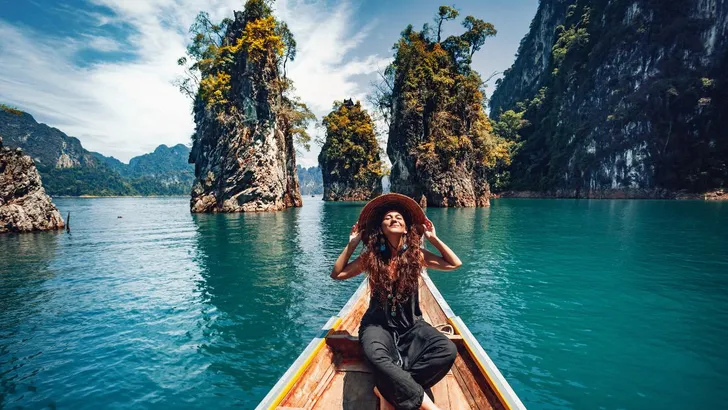

Global tourism tends to cluster around a predictable handful of famous cities and heavily marketed coastal resorts. While destinations like Paris, Tokyo, or the Amalfi Coast possess undeniable appeal, their massive popularity brings severe crowding and rapidly escalating prices. For travelers seeking authentic cultural engagement, pristine natural environments, and sustainable financial value, looking beyond these conventional tourism hotspots reveals incredible alternatives.
Many exceptional regions remain largely overlooked by mainstream travelers simply due to a lack of promotional visibility. These destinations offer historical architecture, world-class culinary traditions, and stunning landscapes that rival their famous counterparts, but at a fraction of the cost. By shifting your itinerary toward these hidden gems, you can stretch your travel budget significantly further without compromising the quality of your experience.
1. Georgia (The Country)
Situated at the intersection of Eastern Europe and Western Asia, the country of Georgia is one of the most geographically diverse and culturally rich destinations in the Eurasian region. Despite its dramatic landscapes and ancient heritage, it remains highly affordable for international visitors. The capital city of Tbilisi features a striking blend of futuristic architecture, Soviet-era structures, and a historic Old Town characterized by wooden balconies and sulfur baths.
Beyond the urban center, Georgia is defined by the towering peaks of the Caucasus Mountains. The region of Svaneti offers ancient stone defensive towers set against massive glaciers, providing hiking experiences that rival the Swiss Alps at a small percentage of the price.
-
Culinary Value: Georgian cuisine is famous for its rich flavors, featuring dishes like khachapuri (cheese-filled bread) and khinkali (spiced meat dumplings). A full, multi-course meal at a traditional restaurant routinely costs less than ten US dollars per person.
-
Ancient Wine Culture: As one of the oldest wine-producing regions in the world, Georgia still utilizes the traditional qvevri method, where wine is fermented in large buried clay vessels. High-quality local wines are readily accessible at remarkably low prices.
-
Affordable Transportation: Navigating the country via local minibuses, known as marshrutkas, or using domestic train routes allows travelers to cross vast distances safely for just a few dollars.
2. Albania
For those who dream of the Mediterranean coastline but wish to avoid the steep prices of Greece or Italy, Albania presents an ideal alternative. Located on the Balkan Peninsula, the Albanian Riviera boasts the same crystal-clear turquoise waters and dramatic cliffs found further north, but without the premium price tags or the dense crowds. Towns like Ksamil and Dhermi feature pristine beaches alongside ancient archaeological ruins.
Inland Albania is equally compelling. The historic towns of Berat and Gjirokastër, both designated UNESCO World Heritage sites, showcase well-preserved Ottoman architecture, winding cobblestone streets, and imposing hilltop castles.
-
Coastal Accommodation: Beachfront guesthouses and modern apartments along the Riviera can be secured for a small fraction of the cost of similar properties across the Adriatic Sea.
-
Rich Archaeological Heritage: Entry fees to world-class ancient sites, such as the Roman and Greek ruins of Butrint, are highly economical, allowing budget-conscious travelers to experience deep history without financial strain.
-
Fresh Seafood: The coastal regions serve exceptional seafood caught fresh daily, integrated with Mediterranean culinary influences, available at fraction of typical Western European prices.
3. Uzbekistan
Central Asia is rapidly growing in popularity among adventurous travelers, and Uzbekistan stands out as the crown jewel of the historic Silk Road. The country features some of the most spectacular Islamic architecture in the world, marked by massive turquoise domes, intricate mosaic tilework, and sprawling public squares.
Cities like Samarkand, Bukhara, and Khiva operate as living museums. The Registan in Samarkand, a public square framed by three massive madrasahs (Islamic schools), offers visual grandeur that rivals the most famous monuments of the Middle East or India, yet remains highly accessible to independent travelers.
-
High-Speed Rail Networks: Uzbekistan has invested heavily in modern high-speed infrastructure. The Afrosiyob train connects major historic cities quickly, comfortably, and affordably, eliminating the need for expensive domestic flights.
-
Handcrafted Goods: The ancient bazaars offer direct access to artisanal silk carpets, hand-painted ceramics, and traditional embroidery at source prices, entirely bypassing international retail markups.
-
Low Cost of Daily Living: Basic expenditures such as local dining, museum admissions, and urban transport are incredibly minimal, making it easy to maintain a low daily budget.
4. Bolivia
While Peru attracts the majority of South American tourism due to Machu Picchu, neighboring Bolivia provides equally breathtaking high-altitude landscapes, rich indigenous culture, and historical depth at a significantly lower price point. It is consistently ranked among the most wallet-friendly destinations in the Western Hemisphere.
The country is home to the Salar de Uyuni, the largest salt flat on Earth. During the rainy season, a thin layer of water transforms the landscape into a giant mirror reflecting the sky, creating a surreal visual effect. Multi-day guided expeditions across the salt flats and through the high-altitude deserts—complete with lagoons filled with flamingos and bubbling geysers—are incredibly economical.
-
High-Altitude Urban Exploration: La Paz, the administrative capital, sits inside a dramatic mountain bowl. Travelers can use the Mi Teleférico cable car system, which serves as public transit, to get panoramic mountain views for the price of a standard subway ticket.
-
Diverse Ecosystems: Bolivia transitions rapidly from the snow-capped Andes down into the Amazon basin. Excursions into the pampas or rainforest via towns like Rurrenabaque are highly affordable compared to similar tours in neighboring nations.
-
Traditional Markets: Visiting expansive local markets like the Mercado de Hechicería (Witches Market) offers an authentic look into local traditions and inexpensive shopping opportunities.
5. Laos
Often overshadowed by its highly popular neighbors, Thailand and Vietnam, Laos offers a slower, more deliberate pace of travel centered around natural beauty and spiritual heritage. The country is defined by its rugged mountainous terrain, winding rivers, and French colonial architecture blended with Buddhist monasteries.
The town of Luang Prabang, a UNESCO World Heritage site situated on the Mekong River, is famous for its preserved French-Laotian architecture and the daily alms-giving ceremony where monks walk through the streets at dawn.
-
Affordable Adventure Tourism: The town of Vang Vieng offers world-class rock climbing, kayaking, and cave exploration amidst karst limestone formations for very reasonable guide fees.
-
The Slow Boat Experience: Traveling down the Mekong River via a traditional long-tail slow boat provides a scenic, multi-day journey through remote villages at an exceptionally low price point.
-
Night Market Dining: Local night markets feature extensive vegetarian buffets, grilled river fish, and traditional sticky rice dishes that provide highly nutritious meals for minimal cost.
6. Romania
Romania offers an incredible European travel experience that bypasses the high costs of Western Europe. The region of Transylvania features medieval towns like Brașov and Sighișoara, complete with cobblestone alleys, watchtowers, and dramatic castles perched on rocky cliffs, including the famous Bran Castle.
The country also boasts incredible natural features, including the Carpathian Mountains, which host extensive networks of hiking trails and some of the largest populations of brown bears in Europe.
-
Accessible Historic Castles: Admission to major historic sites, such as the Neo-Renaissance Peleș Castle, is priced modestly, making it simple to tour multiple estates.
-
Unspoiled Nature: The Danube Delta offers world-class bird watching and boat tours through pristine wetlands that remain largely untouched by mass tourism commercialization.
-
Modern Urban Culture: The capital city, Bucharest, combines complex architectural history with an affordable specialty coffee scene and energetic public parks.
7. Taiwan (Outside Taipei)
While the capital city of Taipei is a modern metropolis with prices comparable to other major Asian hubs, venturing into the southern and eastern regions of Taiwan reveals incredible value. The island features an efficient rail network that makes exploring coastal towns and deep mountain gorges remarkably straightforward.
Taroko Gorge, a massive marble canyon carved by the Liwu River, features dramatic hiking trails, suspension bridges, and shrines built directly into the cliffs. Entry to the national park is entirely free, offering world-class outdoor exploration without any admission fees.
-
World-Class Night Markets: Taiwan’s night market culture is legendary. Cities like Tainan and Kaohsiung feature markets where you can sample high-quality street food, such as beef noodle soup and pan-fried buns, for just a few dollars per dish.
-
Free Cultural Landmarks: The vast majority of Taiwan’s ornate Buddhist and Taoist temples, historical gates, and public memorial halls do not charge any entrance fees.
-
Economical Public Transit: Integrated transit cards allow seamless transfers between high-speed trains, local buses, and city bike rentals at highly subsidized rates.
Frequently Asked Questions
What is the best way to handle currency exchange and banking in these less common destinations?
In destinations like Uzbekistan or Bolivia, cash remains essential for daily transactions at local markets and small restaurants. It is best to avoid airport exchange kiosks, which often charge high fees and offer poor rates. Instead, utilize ATMs associated with major domestic banks upon arrival, ensuring your home bank does not charge excessive international transaction fees. Carrying a small amount of clean, uncreased US dollars is also useful, as many remote regions accept them or offer favorable exchange rates for crisp bills.
How reliable is English communication in countries that do not see heavy Western tourism?
In major urban centers and among younger generations or hospitality workers, basic English is common. However, in rural areas of countries like Albania or Laos, English proficiency drops significantly. Downloading offline translation applications and local maps before departure is highly recommended. Learning a few core phrases in the local language, such as greetings and basic numbers, is highly appreciated by residents and simplifies daily interactions.
Are these specific countries safe for solo independent travelers?
The destinations featured on this list generally maintain low rates of violent crime against tourists. Petty theft and pickpocketing can occur in crowded transit hubs or busy markets, which requires standard situational awareness. Uzbekistan, for example, is consistently ranked as one of the safest countries globally due to a visible police presence and low overall crime index. Researching regional safety standards and scams specific to your destination ensures a safe experience.
What kind of healthcare infrastructure can be expected in these regions?
Major capital cities like Tbilisi, Bucharest, or Kaohsiung offer modern private hospitals with English-speaking staff and high standards of care. In contrast, medical facilities in remote areas, such as the high-altitude plains of Bolivia or rural villages in Laos, may be limited to basic clinics. Purchasing comprehensive travel medical insurance that includes emergency medical evacuation coverage is standard practice for international travel.
How do visa requirements work for these developing tourism markets?
Visa policies vary based on your nationality and destination. Georgia offers a generous policy, allowing citizens of many nations to stay for up to a year visa-free. Albania and Romania offer straightforward visa-free entry for up to ninety days for many travelers. Uzbekistan and Laos have streamlined their systems by implementing efficient electronic visa portals, which eliminate the need to visit an embassy in person. Checking official government portals well in advance ensures compliance.
What is the accommodation standard like for budget properties in these areas?
The quality of budget accommodations has improved significantly due to global reservation platforms. While you may not always find large international hotel chains in rural areas, boutique guesthouses, homestays, and locally owned apartments offer excellent cleanliness, comfort, and hospitality. Staying at family-run guesthouses, particularly in regions like Transylvania or the Balkan countryside, often provides a superior cultural experience alongside great financial value.

Comments are closed.