
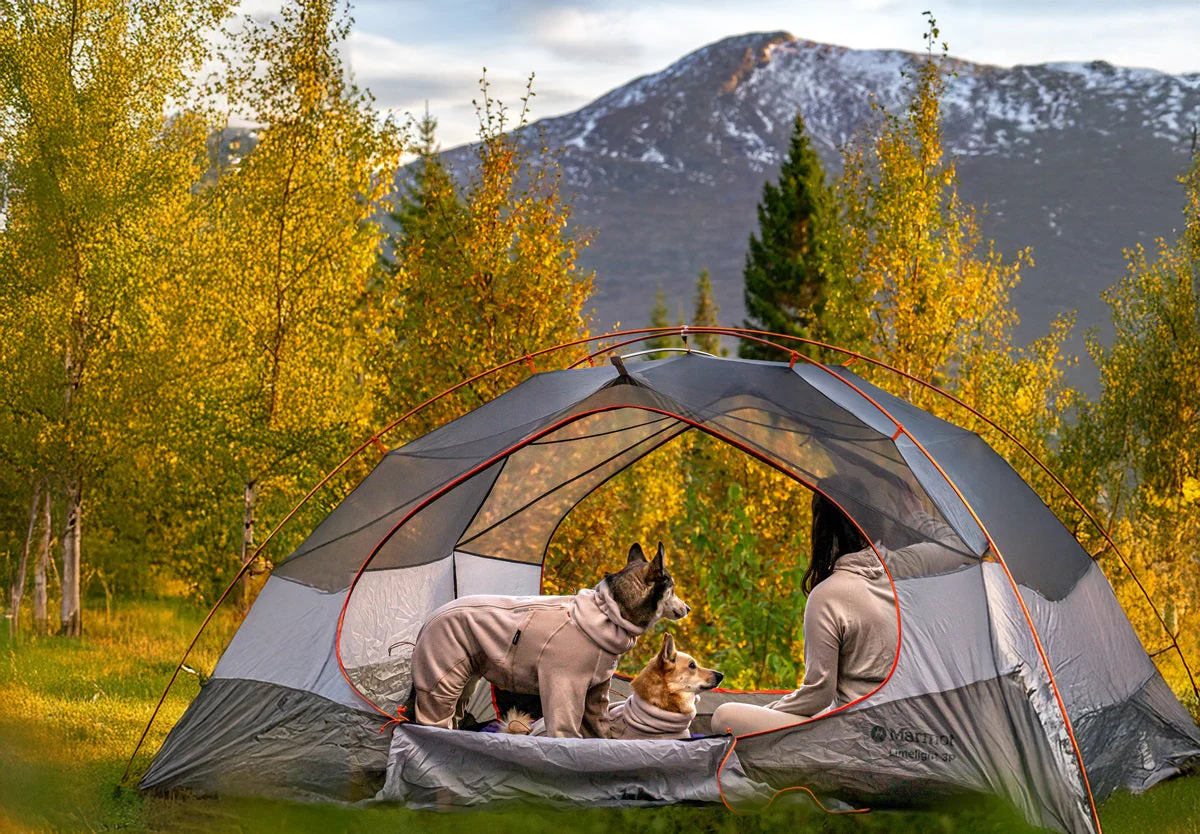

The great outdoors offers a refreshing escape from the hustle and bustle of daily life, and few things enhance a wilderness adventure like the companionship of a dog. Dogs are natural explorers, thriving on the sensory stimulation of new trails, dense forests, and unfamiliar scents. For a pet owner, sharing a campsite with a four-legged friend can deepen the human-animal bond and make outdoor excursions feel far more complete.
However, a successful outdoor excursion with a domestic animal does not happen by accident. The wilderness presents unique hazards that a city-dwelling or suburban pet rarely encounters at home, including unpredictable wildlife, poisonous plants, extreme weather changes, and challenging terrain. Proper preparation, behavioral training, and strategic packing are essential to ensure the excursion remains secure and enjoyable for both the human campers and their canine companions.
Pre-Trip Preparation and Logistics
The foundation of a safe outdoor trip begins long before you load the vehicle. Spending time on administrative checks and physical conditioning prevents legal complications and health crises in the backcountry.
Verifying Campground Pet Rules
Never assume that because a location is outdoors, domestic animals are automatically welcome. Public lands operate under highly diverse regulations regarding domestic animals. For instance, while many national forests allow dogs on trails, the vast majority of national parks enforce strict prohibitions, restricting pets to paved roads and developed campgrounds to protect fragile ecosystems and native wildlife.
Before booking a site, check the specific rules of the state park, national park, or private campground you plan to visit. Pay close attention to rules regarding maximum leash lengths, designated pet-free zones, and quiet hour expectations.
Essential Medical Clearances and Preparations
A comprehensive veterinary checkup is critical before heading into remote regions. Ensure your pet is fully up to date on core vaccines, particularly rabies, distemper, and parvo. Furthermore, discuss regional risks with your veterinarian. If you are traveling to an area heavily populated by ticks or known for waterborne pathogens, your pet may require specific preventative treatments or a leptospirosis vaccination.
Ensure your dog is microchipped, and double-check that the contact information linked to the chip registry is accurate. A collar fitted with a durable, legible tag displaying your current mobile phone number and an alternative emergency contact is mandatory.
Specialized Gear for Outdoor Canines
Just as human campers require proper footwear, weather protection, and sleeping gear, dogs need specialized equipment to remain comfortable and protected from the elements while sleeping outdoors.
Leashes, Tethers, and ID Systems
Even the most perfectly trained dog should be kept on a physical restraint while at a campsite. Unfamiliar wildlife scents or the sudden sound of thunder can trigger a bolt reflex in an otherwise calm animal. Pack a standard six-foot leather or nylon leash for hiking, and avoid retractable leashes, which easily tangle around trees and brush.
For the campsite itself, bring a heavy-duty tie-out cable or create a trolley system between two trees, ensuring the dog can move comfortably within the boundary of your campsite without wandering into neighboring sites or close to the open flames of a campfire.
Comfort and Sleep Infrastructure
Sleeping directly on the cold ground can cause hypothermia or joint stiffness in a dog, especially during crisp autumn or spring nights. Pack a closed-cell foam pad or an elevated dog bed to insulate the animal from the cold earth.
If your dog has short fur or low body fat, invest in a durable canine fleece coat or a specialized dog sleeping bag. Additionally, ensure your tent is large enough to accommodate the dog’s sleeping space comfortably without puncturing the tent floor fabric with their claws.
Hydration and Nutrition Equipment
Outdoor activity increases a dog’s metabolic rate and hydration needs. Bring collapsible silicone bowls for easy trail access, and ensure you pack more food than your dog consumes during a typical day at home to compensate for the extra energy burned while hiking.
Never allow your dog to drink from stagnant ponds, streams, or lakes, as natural water sources frequently harbor microscopic parasites like Giardia, which cause severe gastrointestinal distress. Always carry extra potable water exclusively for your animal.
Maintaining Site Safety and Trail Etiquette
Once you arrive at the wilderness destination, your primary responsibility shifts to managing your pet’s interactions with the environment and fellow outdoor enthusiasts.
Managing Wildlife and Flora Hazards
The wilderness is home to various creatures that can pose a danger to a curious dog. Keep a watchful eye out for venomous snakes, porcupines, raccoons, and large predators. Keeping your pet on a short lead prevents them from poking their nose into rock crevices or dense brush where dangerous animals may hide.
Additionally, familiarize yourself with local toxic plants, such as poison ivy, poison oak, and certain mushrooms, which can cause severe skin irritation or internal toxicity if ingested.
Practicing Proper Camp Hygiene
Responsible pet ownership includes maintaining impeccable campsite cleanliness. Always collect your dog’s waste immediately using biodegradable bags and dispose of it in designated trash receptacles.
Leaving pet waste on the ground pollutes local water systems and introduces non-native bacteria into the wilderness ecosystem. Furthermore, store all dog food in animal-resistant containers or inside a locked vehicle alongside human food to avoid attracting bears, rodents, or insects to your campsite.
Respecting Other Outdoor Enthusiasts
Not everyone in the backcountry loves dogs. Some campers suffer from severe allergies, while others experience intense fear around animals. Ensure your dog does not approach strangers or enter neighboring campsites without express permission.
Control excessive barking immediately. A dog that barks constantly at every passing shadow or rustling leaf ruins the peaceful ambiance of the wilderness for everyone in the area.
Frequently Asked Questions
How can I safely acclimate a domestic dog to sleeping inside a camping tent?
To prevent panic and damage to your outdoor gear, acclimate your dog to the tent environment at home before your trip. Set up the tent in your living room or backyard, place the dog’s familiar bedding inside, and encourage them to enter using high-value rewards. Spend time sitting quietly inside the tent together with the door zipped closed, allowing the animal to realize that the enclosed space is safe, secure, and comfortable.
What specific items should be included in a canine-specific first aid kit?
A proper canine first aid kit should feature liquid styptic powder to stop minor bleeding from torn nails, self-adhering vet wrap bandage that does not stick to fur, tweezers or a dedicated tick-removal tool, a clean muzzle in case the animal bites due to pain, hydrogen peroxide to induce vomiting under remote veterinary guidance, and saline solution to flush dirt or debris out of the eyes.
How can I protect my dog’s paws from sharp rocks and hot trail surfaces?
Extended hiking over abrasive granite, sharp gravel, or hot asphalt can easily tear a dog’s paw pads. Inspect their paws daily for cracks, cuts, or embedded debris. If you plan to hike on challenging terrain, train your dog to wear protective canine booties well in advance of the trip, or apply a thick layer of specialized wax protectant to the paw pads before hitting the trail.
What steps should I take if my dog encounters a wild skunk or gets sprayed?
Avoid washing a freshly skunked dog with plain water, as moisture locks the oily secretions deeper into the fur. Instead, mix a solution containing one quart of three percent hydrogen peroxide, one-quarter cup of baking soda, and one teaspoon of liquid dishwashing soap. Thoroughly scrub the dry fur with this mixture while wearing gloves, avoid the eyes, let it sit for ten minutes, and then rinse completely.
Is it safe to leave my dog alone at the campsite or inside a vehicle while I go hiking?
Never leave a dog unattended at a campsite, tied to a tree, or locked inside a vehicle. A tied animal is completely defenseless against predators, severe weather changes, and theft. Furthermore, vehicles can rapidly reach fatal internal temperatures even on mild, overcast days, putting your pet at immediate risk of suffering a fatal heatstroke.
How do I determine if a hiking trail is too physically demanding for my pet?
Evaluate your dog’s current daily activity levels honestly. If your dog rarely walks more than a mile around a flat neighborhood block, attempting a steep, six-mile mountain loop will cause extreme physical exhaustion or muscle injury. Gradually increase their walking distance and incline over several weeks before your trip to build up their physical stamina and cardiovascular health.
What signs indicate that a dog is overheating during a summer camping trip?
Dogs do not sweat efficiently and rely primarily on panting to cool themselves down. Signs of heat exhaustion include heavy, frantic panting, thick or excessive drooling, bright red gums, lethargy, disorientation, and vomiting. If you observe these symptoms, move the animal into shade immediately, apply cool water to their belly and paws, and provide small sips of fresh water.

Comments are closed.