
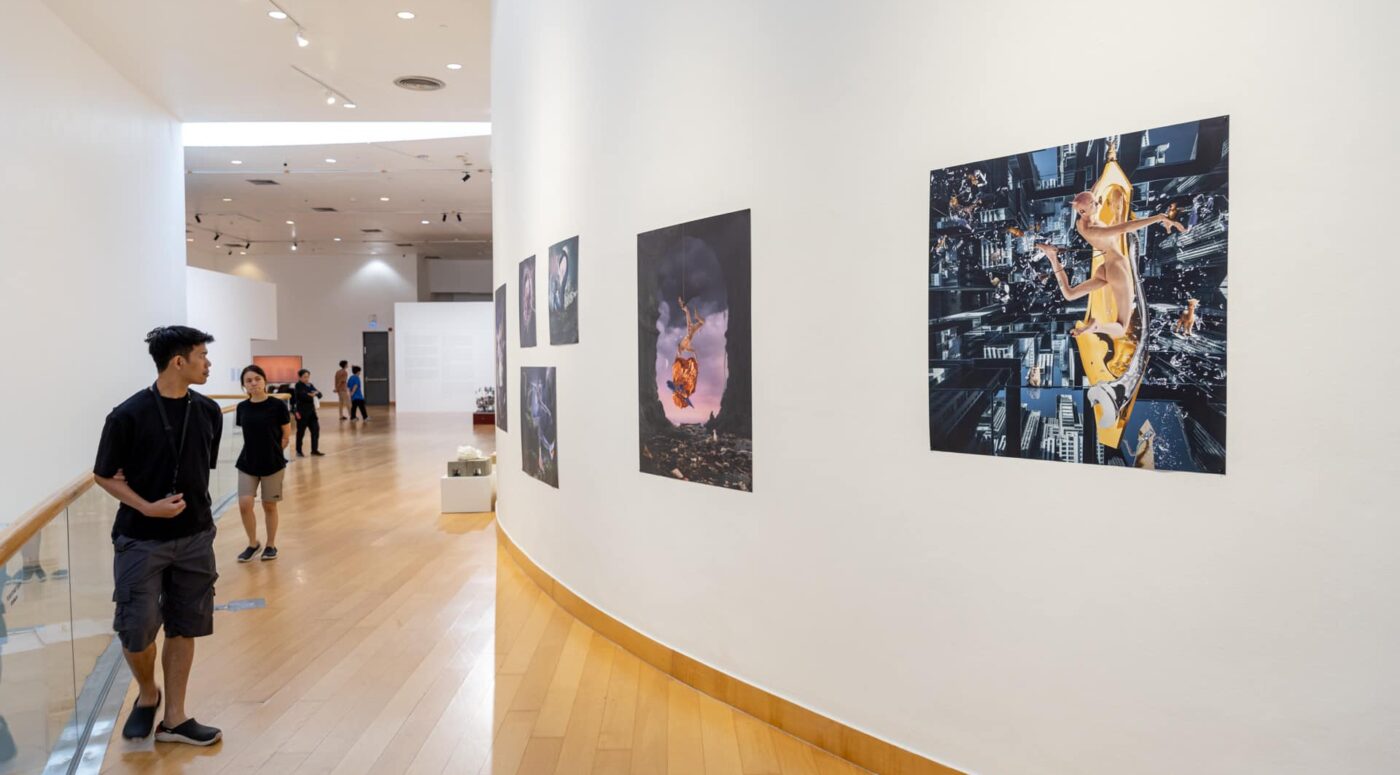

In Bangkok, creativity is not confined to galleries. Street murals, sculptures and installations have become part of the city’s landscape as of 2025, turning ordinary walls and plazas into engaging experiences. This shift reflects a growing recognition that art can belong to everyone, not just those who visit museums. The launch of new districts and cultural hubs has made it easier for local and international artists to display work in the open air. An exhibition in Bangkok might feature interactive pieces that invite passers‑by to contribute or reflect, blurring the line between observer and participant.
Public Spaces as Cultural Stages
Beyond static displays, public spaces are now being designed to host performances, festivals and workshops. Amphitheaters and open lawns set within mixed‑use developments provide a platform for musicians, dancers and theatre groups. Markets and pop‑up fairs showcase craft, design and food traditions from across Thailand, drawing diverse audiences. These events celebrate heritage while also exploring contemporary themes, ensuring that culture remains dynamic and inclusive.
Highlights of Bangkok’s creative revival include
- Large‑scale murals that transform blank building facades into stories reflecting neighborhood identity.
- Outdoor installations and sculptures that double as playgrounds or seating, encouraging interaction and contemplation.
- Performance spaces integrated into parks and plazas, enabling free concerts, dance classes and film screenings accessible to all.
- Community art projects that invite residents to paint, weave or build together, fostering pride and connection.
A Living Cultural Landscape
By integrating art into daily life, Bangkok is nurturing a sense of shared identity. Public art and events encourage people from different backgrounds to meet, discuss and participate. They also support local talent by giving emerging artists exposure and opportunities to collaborate. As the city continues to invest in creative infrastructure, it demonstrates that culture is not an afterthought but a living, evolving part of urban development. This approach enriches the city’s character and ensures that its rapid growth does not come at the expense of its soul.
Benefits for Communities
Public art offers benefits beyond aesthetics. Colorful murals brighten streets and can reduce vandalism by instilling a sense of pride. Outdoor exhibitions and festivals attract visitors, boosting local businesses and creating opportunities for artisans and performers. Art in shared spaces also encourages reflection and dialogue, fostering empathy among residents of different ages and backgrounds. By making art accessible, the city promotes cultural literacy and inspires younger generations to explore their creative potential.
Bangkok’s creative landscape shows no sign of slowing down. Upcoming projects include digital installations that respond to motion and sound, allowing people to interact with light and color in new ways. Collaborative workshops between artists, architects and urban planners aim to integrate art into green spaces, bridging culture and nature. Schools and community centers are expanding arts education programs to nurture homegrown talent. As technology evolves, the city will continue to experiment with fresh formats and platforms, ensuring that public art remains vibrant and relevant.

Comments are closed.