
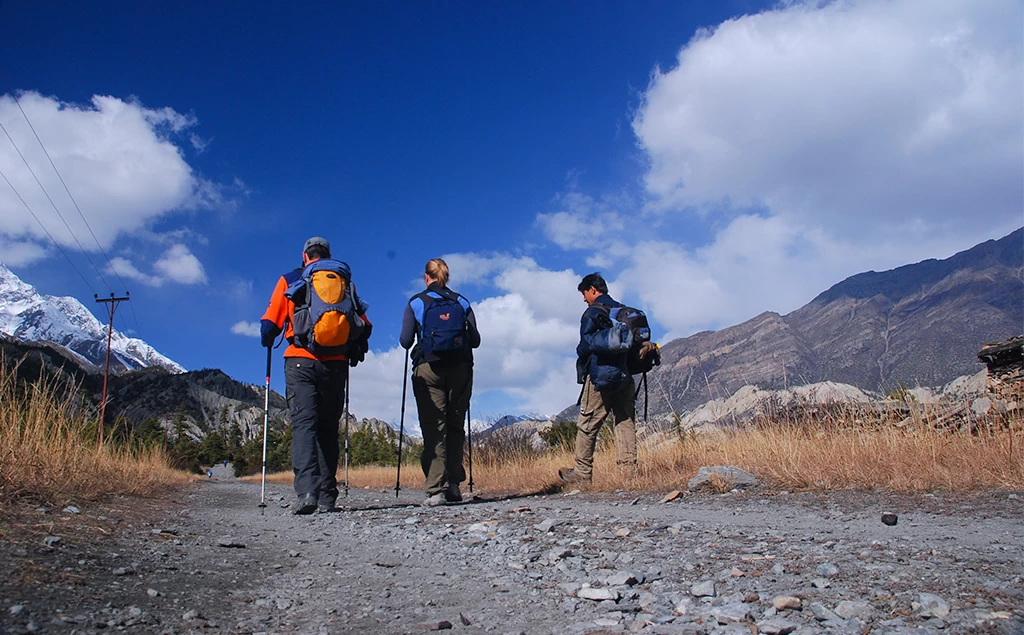

Nepal’s Annapurna region is well known as an amazing trek, but it also requires mental resilience from those who traverse its dramatic backdrop. Both the Annapurna Circuit and the ABC trek offer unique access to the raw beauty of the Himalayas, as well as a space for reflection and growth. Trekking the trails of Annapurna is so much more than getting to a destination—it’s about diving into the journey, embracing the climbing, the physical and mental pushing, and the heightened awareness we discover about not only nature, but about ourselves.
Trek to Annapurna Base Camp. What hits most trekkers en route to Annapurna is the jaw-dropping beauty of nature enveloping them. All along is a succession of stunning vistas that change as one walks, from riotous rhododendron in full bloom to the towering snow-capped gaze of Annapurna I and the beautiful, fishtailed membership of Machapuchare. The beauty of the land is positively otherworldly, as you pass through charming villages, verdant valleys, and over rushing rivers.
Each view, whether it be the sunrise over the snow-blanketed Annapurnas or a distant waterfall streaming its way down rocky walls, brings peace. Stop to breathe and soak in the scenery if you want to take in the beauty of the trail. Let the vivid colors, the high mountains, and the distant quiet take your breath away and make you wonder.
And all of this natural beauty isn’t the only great thing about the Annapurna – the hike itself is nothing short of a physical gauntlet. The terrains vary — from tough climbs to downhill sections — but each is an opportunity to develop strength and tenacity. As you go up, the harder the effort, the better it is for your legs and your mind.
Remember, the Annapurna trek is a test of determination , not Detroit-esque perfection. Whether you’re plodding through the high, thin air or picking your way through rocky trails, embrace the experience of challenge. Every step is a success, with every obstacle conquered, producing a more confident and determined man. The battle you encounter on the trail is not something to be afraid of, but to welcome it as one of the stages on your journey to increasing strength, not just physical but also mental.
There is a nature of spiritualism in the trek through the Annapurna region. The simplicity of mountain village life, the friendly welcome of the villagers, and the intimate company of the mountains offer plenty of food for thought. The peacefulness of the setting allows you to get in touch mentally and spiritually with Mother Nature.
As you hike, you’ll pass Buddhist stupas, prayer flags blowing in the wind, and monasteries hidden in the hills. The low, soothing drone of prayer wheels and local people making offerings at shrines contributes to an atmosphere of respectful tranquillity. By pausing and making note of these offerings, we can become present and mindful and more appreciative of both the natural and the spiritual world.
The Annapurna hike is not all about scenery, it’s also about culture, and plenty of it. The villages along the route are a mix of the Gurung, Magar, and Thakali peoples. When you interact with these local communities and experience their cultures, the hospitality you receive is proof of the warmth of the human heart.
Annapurna Base Camp Trek Package: Local culture. From sharing meals in village teahouses to discovering the region’s rich traditions, cultural immersion becomes one more way to connect to the trail you’re hiking. Knowing how hardy and resourceful these hill people are makes your journey seem a little less significant and gives you more respect for the place.
3) Lastly, the trek to Annapurna is a once-in-a-lifetime chance to enjoy life. Between the beauty of your surroundings and the physical and mental obstacles you overcome, you will spend time with yourself in ways that are impossible in the bustle of daily life. The beauty of nature, a sense of self perseverance, and that blissful spiritual serenity leave you with a sense of peace and purpose that stays with you long after you finish the trek.
Ultimately, the Annapurna treks are not a path through the mountains—it is the journey within oneself. And by leaning into the beauty and challenging moments, you can find strength and growth and a lasting sense of connection to the world around you. For old hands and neophytes alike, the Annapurna region offers something for everyone — a testament that true strength is not only found in the destination, but in the journey.
Introducing Annapurna Adventure 1.1.
This section acquaints you with the Annapurna region and why it’s one of Nepal’s most iconic tea house treks. It is a set-up piece for the blog, providing an insight that the Annapurna trek is not just a physical challenge, but is also a journey of personal growth and a deep connection to the earth. The idea is to provide readers with a sense of what awaits on the trail — spectacular vistas, cultural experiences, physical challenges, and mental fortitude.
Vale of Annapurna: Again in the company of another side of the Valley of Annapurna.
This section also looks at the natural splendour trekkers will witness. From the fertile green valleys and terraced fields to the glacial territory at high altitude and the snow-dusted summits, the Annapurna scenery envelops you fully. The chapter discusses why nature is such a potent resource for inner peace and self-transformation. It urges us to receive the beauty of the world, seeing how the mountains, the forests, and the rivers can all calm the heart.
Mind over Matter: The Annapurna Trek Proves Mind Rocks!
The Annapurna trek is not only physically tough but mentally challenging, too. This section refers to advice and activities trekkers can do to build mental resilience to help push through tough points of the trail, whether it’s fighting fatigue, being hit by altitude sickness, or pushing on through self-doubt. It highlights the significance of having a positive frame of mind, the preparation in a mental manner, using things like goal setting, pacing, and engaging discomfort to overcome mental barriers on the trek.
Physical Stamina: Getting Your Body Ready for the Annapurna Trails
Annapurna Base Camp Trek Itinerary Here, the concentration is on physical training for the trek. This section describes why it’s important to train in advance, with an emphasis on cardiovascular fitness, leg strength, and stamina for the variety in terrain. It recommends things like hiking, stairs, and strength training, while also providing tips (including on when to manage energy…) during the actual trek, particularly for long days of hiking and ascent/descents.
Becoming The Land: From Valleys To Snowcapped Peaks
This part is where you see the variety of the terrain on the Annapurna trek, from beautiful valleys and forests to arid snow-covered areas near the Annapurna Base Camp. The emphasis is on recognizing and adapting to the types of altitudes and landscapes you’ll find yourself in. It describes how trekkers will face physical and emotional challenges, but also thrill to the prospect of witnessing the local environment change beyond recognition as they rise. Deep into the journey, trekkers connect to the land before them.
The Wonders of Rhododendron Forests: A Natural Sanctuary
As you commence the Annapurna Base Camp trek, one of the earliest natural marvels that you will come across is the rhododendron forests. And these lush, colourful forests, especially when they are in bloom, are an amazing sight to gaze upon. Fields of Rhododendron blossoms in pink, red, and white cover the valley and making it a heaven of peace. Tall trees cast deep shade in the heat of the day, and the sound of leaves rustling in the breeze was like listening to a symphony. Walking through these woods is borderline serene, helping clear your brain and allowing you to become at peace with what’s ahead without even thinking about it. The sweet aroma of the flowers mixed with the bountiful green of nature makes you feel like you are surrounded by nature.
How the local culture enriches the trek experience
Local culture on the Annapurna trek. Throughout the Annapurna trek, the local culture moulds your experience. You will observe their hospitality, traditions, and style of living as you walk through the villages of Gurung, Magar, and Thakali. These people have a very strong link with the land and with their Buddhist or Hindu belief system, which is also often reflected in their customs. Prayer wheels, stupas, and reindeer prayer flags flapping in the wind are all littered throughout the trail, giving off a sense of tranquility and spirituality. Commit to visits with the villagers – be it a lunch break at the teahouse or simply a chat – and it will greatly enhance your trekking experience. There’s the grit and warmth to them that gives a feeling of the land and a people who have lived in harmony with it for a long, long time. Respecting and understanding their tradition can enrich the enjoyment of your trek.
Inspiring Views: And Annapurna Range Feeds Your Adventure
The best part about trekking in the Annapurna region is that you are constantly accompanied by the Annapurna Massif itself. > For all your hike, since you have started to go uphill, the immense peaks stand before you, drawing nearer as you advance. The constantly stunning perspectives of Annapurna I, Machapuchare (Fishtail), and others are a source of inspiration. Whether you’re navigating valleys or crossing high ridgetops, the peaks tell of the magnificence and beauty of creation. The epic landscapes, especially at sunrise and sunset, help you feel the awe, carrying you onward, conceivably even when you’re bone-weary. These breathtaking views enable you to commune with the mountains and remind you that this isn’t just a physical challenge but a spiritual journey, and one that rouses the soul.
Cherishing the Isolation: Strength in the Silence of the Trails
Nepal Annapurna Base Camp Trek. When you start to walk, the number of people around you will be much, much smaller, and then the further into the mountains you get, the quieter it gets.” This solitude isn’t about loneliness but rather an opportunity to be at peace within yourself. And as you hit the winding trails, surrounded by nature’s bounty, the silence will provide the room to let you think, meditate, and recharge. Birdsong, the whisper of leaves in the breeze, and distant waterfalls provide the soundtrack to your thoughts. This is when the hike stops being a hike and starts becoming a religious pilgrimage. Embracing the loneliness helps you to relate to yourself, foster self-healing, and discover strength in the calm of the mountains.
Annapurna Base Camp: The Reward After Conquering the Amazing Trails
Celebrating the success of making it to Annapurna Base Camp is rewarding in every possible way; it is the end of your physical and mental odyssey, all the fighting, all the efforts have paid off to make it to this point. At the bottom of the Annapurna range, at an elevation of 4,130 meters (13,550 feet), you are blessed with glorious views of snow-capped peaks and glaciers. It’s an emotional rush as you reflect upon the difficult yet rewarding path you’ve traveled. The feeling of personal triumph marries the majesty of the very place itself, set among enormous mountains, wide open plains. The second you arrive at Base Camp it dawns on you: this is about more than the finish line — it’s about the entire journey — about meeting the fears and challenges when they rise, and making them crumble under your feet, it’s about feeling the strength and empowerment lifting you, it’s about the mountains you’ve walked with and that has walked with you.
The Charm Of Rhododendron Woodlands: A Nature Trail HUG
Annapurna Base Camp Trek Map. One of the early natural attractions that you will experience as you start your journey to Annapurna Base Camp is the rhododendron forests. The brilliant, beautiful foliage, especially when it’s in full bloom, is truly a spectacle. The terrain is dominated by rolling, undulating patches of Rhododendron in shades of pink, red, and white, making it an incredibly beautiful, serene photo opportunity. The trees are tall and dense, providing a cool, shady relief from the sun with the sound of rustling leaves playing nature’s symphony. Walking through these woods is almost meditative, as you get a kind of peace that gives you peace of mind, gets you ready for combat. Accompanied by the abundant smell of these flowers and the fresh green all around you is such a fantastic experience in the lap of nature.
Local Culture and Its Impact on the Trekking Experience
The local culture on the Annapurna walk is key in making your trip what it is. When you visit the villages of the Gurung, Magar, and Thakali people, you will be amazed by their hospitality, traditions, and way of living. These people are deeply rooted in their land and their Buddhist or Hindu faith, which is reflected in their practice. Prayer wheels, stupas , and prayer flags blowing in the wind can be seen scattered along the trail and add a sense of tranquility and spirituality along the trek. It’s worth taking the time to do this as there’s nothing more rewarding than sharing a meal at a teahouse or having a chat with the locals on your trek. Their hardiness and warmth provide a connection to the soil and the people who have lived in sync with it for hundreds of years. It can enrich your enjoyment of the trek to understand and respect their traditions.
Inspiring: How the Annapurna Range Powers Your Adventure
ABC Trek One of the major reasons that draws enthusiasts to the Annapurna trek is the Annapurna Range, which is always looming over the hiker. The towering peaks just pop into view from when you start the hike, but when you get closer, you will be like: “we are growing together”. Annapurna I, Machapuchare (Fishtail) , and many other tremendous peaks continue to goad us. Whether tramping through valleys or scaling high ridges, the summits punctuate the landscape and the grandiose beauty of nature. The breathtaking, jaw-dropping views, especially during the sunrise and sunset, impress upon your mind an image that inspires you to continue onward despite fatigue. These breathtaking vistas allow you to bond with the mountains and remind you that this trek isn’t only a physical challenge, but a spiritual trial that will awaken your soul.
Enjoying the Solitude: Embracing Quiet Strength on the Trails
There is plenty of solitude on the Annapurna trek, especially as you break away from the crowds and get deeper into the mountains. This solitude is not a type of loneliness, it’s a chance to make peace with yourself. As you stroll the mazes surrounded by the beauty of nature, in the silence, you have room to think, to meditate, to refresh. Birds chirping, leaves rustling in the breeze, and distant waterfalls …tick, tick, tick …create the soundbed on which thoughts orchestrate themselves. This is also the point where the hike stops being just an outdoor activity and starts becoming a spiritual retreat. Accepting the loneliness helps you to focus on your depths, to build an emotional resistance, to find strength in the calm of the mountains.
Getting to Annapurna Base Camp: The Masculine Force of the Sleek and Bulky Trails
Annapurna Base Camp Trek Cost is the pinnacle of your physical and mental hard work, when all the toil, sweat, and determination finally pay off. Looming at the foot of the Annapurna range, 4,130 meters (13,550 feet) high, the payoff is a sweeping arc of snow-scraped peaks and glaciers. It’s an amazing sense of achievement to find yourself at the top of the trail, looking back down at all the hills you’ve just climbed. The feeling of personal triumph is combined with the sheer beauty of the place—the soaring mountains and wide open spaces. And the second that you really, truly make it to Base Camp, you realize that this accomplishment isn’t as much about reaching the destination as making the full journey: facing the challenges, feeling the strength, and forging a connection with the stunningly beautiful landscape that has led your way.
How Hard is the Annapurna Circuit?
The Annapurna Circuit is generally viewed as a moderate to challenging trek, depending on your level of fitness and previous trekking experience. The path covers various types of terrain, including subtropical forest and farmland, high-altitude alpine meadow, and a barren snowy pass. One of the most difficult sections is crossing the Thorong La Pass (5,416 meters or 17,769 feet), the highest point of the trek and a place where people can feel the greatest effects of altitude, including altitude sickness, if they are not properly acclimated.
Other challenges include:
Challenging trek (6-8 hours of trekking per day on average)
Unstable climates, particularly in the upper reaches
Sharp ascents and descents, particularly around the pass
That being said, with proper exercise, acclimatization, and preparation, the Annapurna Circuit is achievable by most ‘ordinary’ walkers. The trek also allows for days of rest and acclimation to manage the difficulties.
What is the Perfect Time for the Annapurna Circuit?
When is the best time to do the Annapurna Circuit trek? The best seasons for trekking the Annapurna Circuit are the pre-monsoon (spring) and post-monsoon (autumn) seasons, which fall between:
March to May (Spring)
From September to November (Autumn)
The weather is relatively settled during these months, with clear skies and mild temperatures. These seasons are best for trekking:
Temperature We find mild and pleasant temperatures at lower altitudes (between 10°C to 20°C) and cold temperatures at higher altitudes, especially early in the mornings and at night.
Views: Excellent view of the Annapurna range and nearby mountains.
Accessibility: Most teahouses and facilities are operational, and the trail is less slippery or waterlogged.
If you’re visiting the hills during the monsoon months (June to August), do not trek; the area receives heavy rainfall, the trails become slushy, and you can expect landslides too. Winter (December to February) may be difficult due to snow and very low temperatures in the higher reaches.
What Is the Oxygen Level in ABC?
At Annapurna Base Camp Trek (4,130 meters or 13,550 feet), the oxygen level is less than at sea level (because of lower atmospheric pressure). The oxygen level here is 60% of that which can be found at sea level. This means that hikers could suffer from altitude sickness (headache, dizziness, nausea, and shortness of breath), especially if they are ascending too quickly.
To mitigate these effects:
Climb slowly with rest days at intermediate altitudes (e.g., locations like Poon Hill and Bamboo).
Stay hydrated and eat well so you have energy.
If you develop severe symptoms of altitude sickness, you should move to a lower altitude as soon as possible.
Can You Trek the Annapurna Circuit Alone?
Yes, you can trek the Annapurna Circuit independently (sans guide or porter). But it does to some extent – it just depends on a few things:
Experience: If you are an experienced trekker who has trekked mountain terrain and faced the challenge of altitude, independent trekking is possible. Most Annapurna Circuit Vets did it solo.
Route finding: The trail is generally well marked, and wayfinding using maps, guidebooks, or GPS is simple. Yet in some sectors, signs may be scarce, and having a guide is useful if you are off-kilter or an emergency arises.
Permits: You need two particular trekking permits- Annapurna Conservation Area Permit (ACAP) and Trekkers’ Information Management System (TIMS) card, and these are collectable in Kathmandu or Pokhara.
Trekking Solo vs Hiring a Guide or Porter: Walking independently is possible, but having a guide/porter is helpful for:
Local knowledge: Guides may be able to share expertise about local culture, wildlife, and history.
Safety: A guide can help with navigation and administer first aid in case of medical emergencies or altitude sickness.
Porter Hiring a porter for help in carrying equipment can enable you to concentrate on trekking itself.
In short, hiking alone was possible, but I needed to be well prepared, physically fit, very familiar with the route, and able to decide what was good for my health and safety.

Comments are closed.